
The garage is one of the most versatile and hard-working square footage assets on any residential property. Beyond serving as a secure parking space for vehicles, a well-maintained garage functions as a centralized workshop, household storage hub, lawn equipment depot, and utility staging zone. However, because garages are often treated as secondary utility spaces during initial home construction, they are particularly vulnerable to environmental wear, structural settling, water intrusion, and energy loss over time. Outdated access barriers, cracked concrete floor slabs, and compromised roof lines not only diminish daily convenience but can also compromise overall home security and drive up monthly heating and cooling costs in adjoining living quarters.
Modernizing a garage into a high-efficiency utility hub requires looking beyond basic shelving or hanging hooks. A truly functional garage renovation prioritizes structural integrity, weatherproofing, access automation, and durable surface engineering. Addressing overhead weather barriers ensures that tools, vehicles, and stored belongings remain protected from water damage and humidity spikes. Simultaneously, upgrading main access points with insulated barriers and modern motorized drives improves thermal performance, dampens street noise, and provides seamless daily entry. Fixing underlying concrete floor defects further ensures that the space remains safe, level, and easy to clean regardless of heavy vehicular loads or workshop activities.
Executing a high-yield garage optimization project relies on coordinating specialized trade professionals across structural roofing, overhead access, and concrete masonry disciplines. Balancing overhead weatherproofing, access automation, and concrete floor restoration creates a clean, secure, and highly organized utility environment. Taking a disciplined, maintenance-focused approach to garage upgrades shields your property equity, eliminates daily domestic friction, and ensures that your garage operates as a low-maintenance, high-performance extension of your home for years to come.

Partnering with Certified Building Enterprises for Overhead Weather Barriers
The roof covering a garage structure endures relentless exposure to severe weather, including intense ultraviolet sunlight, driving rain, heavy snow accumulation, and freezing temperature cycles. If the overhead protective barrier develops subtle leaks, water can seep down into wood roof trusses, ceiling drywall, and wall framing. Unchecked moisture intrusion encourages wood rot, mold growth, and structural weakening that threatens stored vehicles, power tools, and household gear below.
Hiring an accredited roofing company guarantees that your garage roof receives a thorough structural evaluation, precise flashing integration, and high-performance weatherproofing materials. Certified roofing teams inspect perimeter drip edges, rake boards, and ventilation caps to ensure that moisture cannot breach the building envelope. Their professional installation practices ensure that shingles or membrane layers are securely fastened to withstand high wind uplift forces during seasonal storms.
Partnering with an established roofing enterprise protects your garage structure from costly water damage and structural decay. Professional installation crews coordinate proper attic ventilation, preventing heat accumulation that can degrade roofing underlayment prematurely. Expert overhead construction secures a dry, protected environment for all your storage and workshop needs.
Scheduling Routine Overhead Care to Prevent Moisture Intrusion
Maintaining a dry, climate-controlled garage environment requires continuous vigilance over overhead roofing components. Minor wind-damaged shingles, cracked pipe boots, or leaf-clogged gutter channels can slowly allow water to bypass surface layers, creating hidden moisture pockets that rot subfloor decking before visible ceiling leaks appear inside the garage.
Scheduling a comprehensive roofing service call allows licensed technicians to inspect high-risk leak zones, replace compromised shingles, and re-seal flashing around roof penetrations. Trained technicians utilize moisture meters and thermal imaging to detect trapped water beneath surface layers, addressing minor seal failures before they cause extensive framing decay. Routine maintenance checks extend the operational lifespan of your roofing system while maintaining complete interior dry protection.
Investing in regular overhead maintenance safeguards valuable tools, electrical panels, and stored household items against sudden water damage. Clean, well-maintained roofs shed rainwater and melting snow efficiently, preventing ice dam formation along gutter lines during winter freezes. Consistent technical care represents a high-yield preventative strategy for long-term garage upkeep.

Engaging Licensed Trade Specialists for Complex Structural Upgrades
When updating an aging garage structure or converting a detached garage into an insulated workshop, structural modifications often require altering roof lines, adding dormers for overhead storage, or replacing rotten roof decking. Executing these heavy structural modifications safely demands specialized technical knowledge, precise load calculations, and strict adherence to municipal building codes.
Contracting a licensed roofing contractor ensures that structural modifications, roof decking replacements, and complete tear-offs are engineered and executed according to strict industry standards. Qualified contractors manage permit filings, coordinate material logistics, and supervise installation teams on-site to maintain quality control. Their technical expertise guarantees that new roofing materials integrate seamlessly with existing house lines, preserving the overall architectural harmony of your property.
Working with an accredited building contractor protects property owners from improper installation practices and voided material warranties. Experienced contractors specify high-yield underlayments and ice-and-water shields that provide secondary leak protection across vulnerable roof valleys. Professional project leadership delivers a durable, weather-resistant overhead shield built for long-term performance.
Consulting Experienced Trade Craftsmen for Precise Weather Sealing
Executing complex roofing details around garage gables, eaves, and wall intersections requires meticulous hand craftsmanship and a deep understanding of water shedding dynamics. Minor errors in flashing alignment or seam sealing can create direct entry pathways for driven rain, resulting in costly interior wall damage and mold growth inside garage storage cabinets.
Consulting a seasoned roofer ensures that custom flashing, valley linings, and edge metals are bent, fitted, and sealed with precision. Skilled trade craftsmen evaluate the specific pitch and ventilation requirements of your garage, installing adequate soffit and ridge vents to maintain balanced airflow beneath the roof deck. Proper ventilation prevents winter condensation buildup on the underside of roof sheathing, protecting insulation and wood framing from moisture accumulation.
Relying on experienced trade specialists guarantees that every roof seam and penetration is sealed against severe weather extremes. Fine craftsmanship prevents premature material degradation, ensuring that your garage roof withstands severe storms without leaking. Expert trade execution provides lasting peace of mind and complete structural protection.
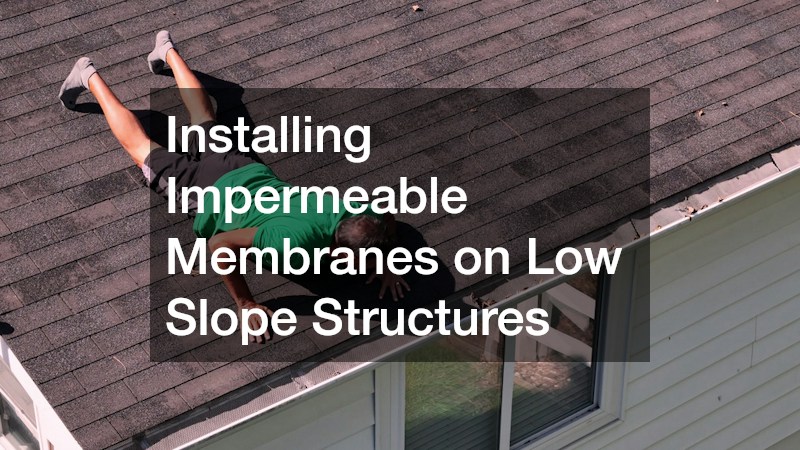
Installing Impermeable Membranes on Low Slope Structures
Many attached and detached garages feature low-slope or flat architectural roofs to accommodate overhead storage lofts, balcony terraces, or specific property elevation constraints. Standard asphalt shingles cannot be installed on flat or low-pitch structures because slow-moving water can easily back up under shingle laps. Low-slope roofs require specialized continuous membrane systems that form an impermeable, watertight seal across the entire surface.
Selecting a modern flat roof membrane—such as single-ply TPO, EPDM rubber, or modified bitumen—provides superior water resistance and high thermal reflectivity for low-slope garage structures. Commercial-grade membrane systems are heat-welded or chemically adhered along seams, creating a seamless barrier that prevents standing water from penetrating the building framing. Highly reflective white membrane surfaces bounce solar heat away, keeping the garage interior significantly cooler during hot summer months.
Upgrading low-slope garage roofs with high-performance synthetic membranes eliminates chronic ponding water leaks and lowers internal thermal stress. Modern single-ply materials resist ultraviolet degradation, chemical exposure, and thermal expansion cracking over decades of service. Precision membrane installation establishes a rugged, low-maintenance overhead barrier for low-pitch utility structures.
Upgrading Perimeter Access Doors for Security and Insulation
The main vehicle entry door is the single largest moving feature on any residential property, occupying a substantial portion of your home’s front or side elevation. Outdated, uninsulated wooden or single-layer steel doors allow thermal energy to escape rapidly, making adjacent indoor rooms uncomfortably cold in winter and hot in summer. Furthermore, worn door tracks and degraded weatherstripping allow dust, rodents, wind, and water to sweep under the door into your workspace.
Installing a modern sectional garage door constructed from multi-layer polyurethane-insulated steel elevates your home’s curb appeal while dramatically improving thermal efficiency and perimeter security. High-R-value insulated doors create a thermal buffer that stabilizes garage interior temperatures, reducing heating loads on adjoined interior rooms. Heavy-gauge steel construction and tamper-resistant bottom brackets deter forced entry attempts, protecting valuable tools, equipment, and parked vehicles.
Upgrading your main utility entry door provides immediate noise reduction, smooth mechanical operation, and enhanced weather sealing along floor and jamb perimeters. Modern composite and steel finishes replicate natural wood grains without requiring constant painting or weather staining. A high-quality overhead barrier enhances property security, thermal comfort, and exterior style simultaneously.
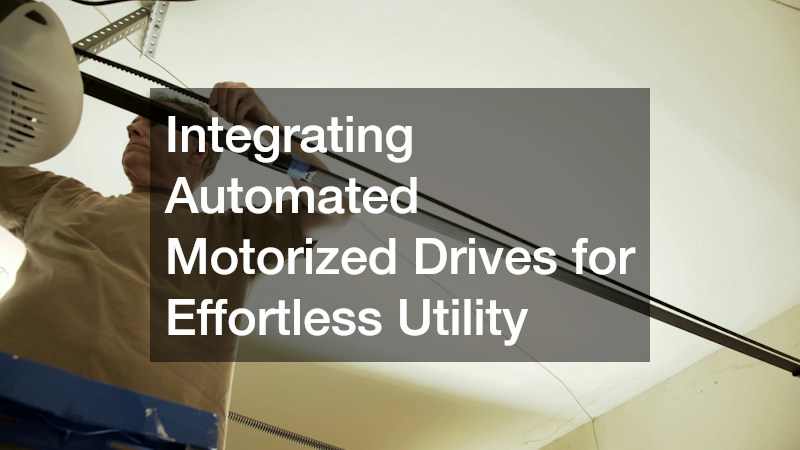
Integrating Automated Motorized Drives for Effortless Utility
Operating a heavy overhead garage door manually is inconvenient, especially during freezing winter weather, dark night hours, or heavy rainstorms. Aging chain-drive door openers generate excessive mechanical noise and vibration that rattles throughout the entire house whenever the door operates. Modern access technology offers whisper-quiet operation, enhanced safety sensors, and smart mobile connectivity that allows you to monitor and control access from anywhere.
Upgrading to modern belt-drive or direct-drive garage door openers eliminates harsh mechanical grinding while introducing advanced rolling-code security encryption that prevents unauthorized signal interception. Smart motorized drives feature integrated battery backup systems that ensure continuous operation during municipal power outages. Built-in Wi-Fi connectivity enables real-time smartphone alerts whenever the door is left open, allowing you to close it remotely to secure your property.
Installing ultra-quiet motorized operators enhances daily domestic convenience while protecting family members with sensitive infrared safety reversal sensors. Integrated LED corner-to-corner lighting automatically illuminates the garage interior when the door opens, improving visibility during nighttime parking and evening workshop tasks. Modern access automation makes daily garage entry smooth, safe, and effortless.
Applying Decorative Polymer Treatments for Low Maintenance Floors
Bare, untreated concrete garage floors absorb oil drips, chemical spills, road salts, and moisture, leading to unsightly dark staining, surface dusting, and concrete spalling over time. Raw concrete is also naturally porous and difficult to sweep clean, allowing fine concrete dust to settle continuously on stored items, workbench tools, and parked vehicles.
Applying professional concrete staining treatments or multi-layer epoxy and polyaspartic polymer coatings converts porous concrete slabs into smooth, non-porous surfaces that repel water, automotive fluids, and harsh road salts effortlessly. Penetrating decorative stains and pigmented polymer systems create rich, custom color finishes with high chemical and abrasion resistance. Adding decorative color flakes and clear topcoats creates a satin or high-gloss finish that transforms an industrial space into a clean, showroom-quality environment.
Upgrading concrete floor surfaces eliminates fine concrete dusting completely, keeping workbenches, equipment, and stored boxes far cleaner. Sealed floor coatings wipe clean easily with a mop or squeegee, preventing oil stains and chemical degradation. Applying high-performance polymer surface treatments establishes a durable, hygienic, and visually appealing foundation for all your garage activities.
Relying on Regional Surface Specialists for Heavy Foundation Work
Heavy vehicular loads, seasonal freeze-thaw cycles, and ground moisture movement put immense physical stress on garage concrete floor slabs and perimeter stem walls. When concrete foundations develop severe structural cracking, major settling, or deep surface pitting, simple surface coatings or thin patching compounds cannot restore the slab’s structural integrity.
Partnering with established concrete companies ensures that major floor slab replacements, foundation repairs, and structural concrete pours are engineered to handle heavy point loads safely. Experienced masonry teams execute proper sub-base excavation, soil compaction, rebar grid reinforcement, and vapor barrier placement before pouring high-strength concrete mixes. Their technical expertise guarantees that finished slabs feature proper surface slope toward main entry doors to shed water runoff efficiently.
Correcting Sunken Floor Slabs to Restore Flat Working Surfaces
Over years of environmental exposure, soil erosion, poor initial soil compaction, or leaking downspouts can wash away sub-grade soil beneath garage concrete slabs. As soil voids expand, heavy concrete floor sections settle unevenly, creating hazardous tripping ledges, wide floor cracks, and awkward sloped surfaces that cause tool cabinets and workbenches to wobble.
Scheduling professional concrete leveling repair services—such as high-density polyurethane foam injection (polyjacking)—restores sunken slab sections to their original level position without requiring expensive, invasive concrete demolition. Specialized technicians drill tiny holes through the settled slab and inject expanding geotechnical foam into sub-grade voids. The expanding foam fills underlying soil gaps, compacts loose subsoil, and lifts heavy concrete slabs back into precise alignment within minutes.
Lifting settled floor slabs eliminates dangerous tripping hazards, seals wide floor cracks, and restores a flat, stable surface for parking and workshop tasks. Polyurethane leveling foam is completely waterproof, preventing future soil erosion beneath the slab without adding heavy weight to unstable subsoil. Precision slab leveling delivers a fast, cost-effective solution for restoring floor utility and safety.