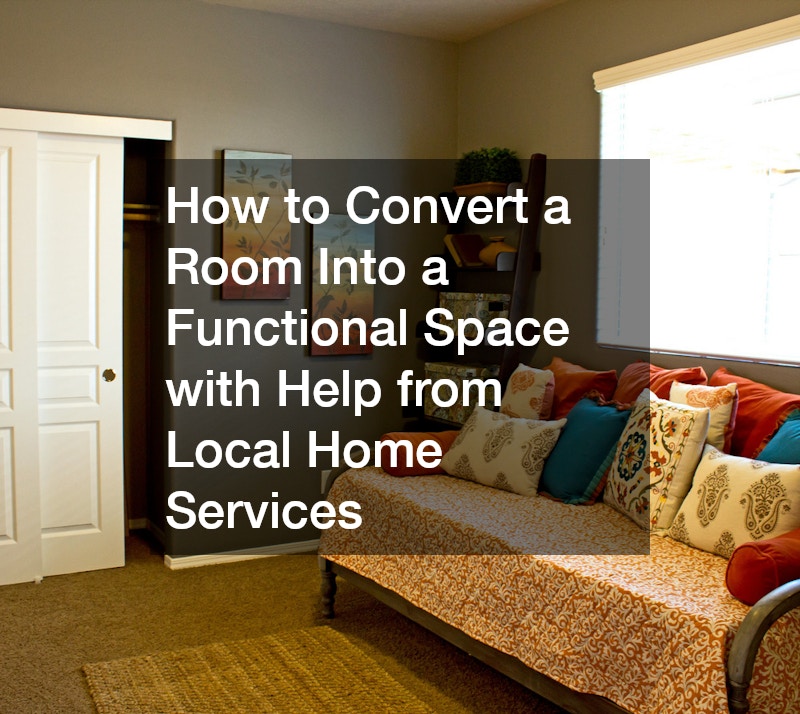
Converting a room into a functional space is a powerful way to maximize your home’s potential. Whether you want to transform an unused attic into a home office, a garage into a personal gym, or a spare bedroom into a creative studio, the possibilities are nearly endless. A successful conversion combines careful planning, smart design, and professional support to ensure the space is both practical and aesthetically pleasing. By assessing your needs, preparing your room properly, and leveraging local home services, you can create a space that serves your lifestyle and adds value to your home.
This guide offers detailed, actionable advice to help homeowners approach room conversions thoughtfully, avoid common pitfalls, and utilize professional expertise where needed.

1. Assess Your Room’s Potential and Needs
Before making any physical changes, take the time to evaluate the space you want to convert. Not all rooms are created equal, and understanding the limitations and possibilities of your room is the first step in achieving a functional transformation. A thorough assessment allows you to plan effectively, avoid costly mistakes, and ensure that the space meets both your immediate needs and long-term goals.
Tips for assessment:
-
Measure dimensions carefully: Record the room’s length, width, and ceiling height. Include doorways, windows, built-ins, or any architectural features that could affect layout. Note any irregularities such as sloped ceilings, pillars, or alcoves that might influence furniture placement or storage solutions.
-
Consider lighting and natural light: Identify areas that may require additional lighting or windows to create a comfortable and inviting atmosphere. Think about the type of activities that will take place in the room—task lighting may be needed for workspaces, while ambient or accent lighting can enhance relaxation zones.
-
Identify your goals: Decide whether the room will function as a home office, gym, studio, guest room, or multipurpose space. Be realistic about how often you will use the space and what features are essential for functionality.
-
Check structural limitations: Assess floors, walls, and ceilings to ensure they can support furniture, equipment, or any new fixtures. Look for signs of damage such as sagging floors, water stains, or cracks that might require repair before conversion.
Professional support:
-
Local roofing contractor: If converting an attic or upper floor, a local roofing contractor can inspect for leaks, insulation issues, or structural weaknesses that could affect your project. Addressing these issues early prevents future water damage and ensures the space remains safe and comfortable.
-
AC service: Ensure your space will be properly ventilated and climate-controlled, particularly in basements or sunrooms. An AC service professional can advise on system sizing, ductwork adjustments, or additional units needed to maintain consistent temperatures and air quality.
Additionally, consider how the room connects to the rest of your home. Evaluate access points, traffic flow, and adjacency to other functional spaces. Understanding how the room fits into your overall floor plan can influence furniture arrangement, storage solutions, and even decor choices. Taking the time to assess your room comprehensively and enlist professional guidance ensures the foundation of your conversion is solid, making subsequent steps more straightforward, efficient, and ultimately successful.
2. Address Structural and Safety Concerns
A room conversion may involve adding weight, installing new fixtures, or even modifying walls. Safety and structural integrity must be your top priority. Overlooking these elements can lead to costly repairs, unsafe conditions, and long-term damage to your home.
Key considerations:
-
Inspect for water damage: Look for signs of leaks, mold, or rot that could compromise walls, floors, or ceilings. Even minor moisture issues can worsen over time and undermine the stability of the structure. Pay close attention to basements, attics, or areas near plumbing, as these are particularly prone to hidden water damage.
-
Evaluate load-bearing walls: Determine if any modifications will impact structural support. Removing or altering load-bearing walls without proper assessment can compromise your home’s integrity. Always consult a structural engineer or qualified contractor before making such changes.
-
Assess flooring and subflooring: Some conversions, such as home gyms, workshops, or media rooms, may require reinforced flooring to support heavy equipment, furniture, or appliances. Check for sagging or uneven floors, and consider whether additional support or leveling is needed.
Professional services to consider:
-
Water damage remediation: Addressing leaks or moisture issues is critical. Certified professionals can treat and prevent mold growth, repair damaged materials, and restore structural integrity. Timely remediation also protects your investment and ensures the space is safe for everyday use.
-
Local concrete service: For basement, garage, or workshop conversions, a local concrete service can help level floors, pour new slabs, or reinforce existing surfaces. Concrete professionals ensure the floor can handle added weight and heavy traffic without cracking or settling over time.
-
Additional inspections: Consider hiring specialists such as electricians, plumbers, or HVAC technicians to verify that the infrastructure can safely support new fixtures, appliances, or equipment. Ensuring proper wiring, ventilation, and plumbing prevents future hazards and avoids costly retrofits.
By prioritizing structural integrity and safety first, you reduce the risk of costly repairs down the line, maintain compliance with building codes, and ensure your new space remains secure, functional, and enjoyable for years to come. Proper preparation lays the foundation for a smooth conversion process, giving you confidence in every step of your room transformation.
3. Plan for Efficient Heating, Cooling, and Ventilation

Comfort is a major factor in how functional a space feels. Rooms that are too hot, cold, or poorly ventilated can quickly become underused.
Actionable steps:
-
Assess current HVAC capacity: Determine if your existing system can handle the additional load.
-
Consider zoning options: Independent temperature control helps make converted spaces comfortable without affecting the rest of the house.
-
Add ventilation: Ensure windows, vents, or exhaust fans allow for proper airflow.
Professional support:
-
AC service: A licensed professional can recommend system upgrades, duct adjustments, or supplemental cooling and heating solutions for optimal comfort.
-
Local snow plow repair: In regions with heavy snow, ensure entryways, garages, or attached spaces are protected from snow and ice intrusion, which can affect indoor temperatures and moisture levels.
Maintaining a comfortable climate is crucial, especially if your room serves as an office, playroom, or gym. Proper planning can prevent seasonal discomfort and preserve the longevity of flooring and furniture.
4. Upgrade Lighting and Electrical Systems
Lighting and electrical functionality are often overlooked but are critical for a successful room conversion. A poorly lit or inadequately wired space can limit usability.
Tips for lighting and electrical upgrades:
-
Layered lighting: Combine ambient, task, and accent lighting for functionality and mood.
-
Outlet placement: Ensure sufficient outlets for electronics, lamps, or equipment.
-
Smart integration: Consider motion sensors, dimmers, or smart plugs for convenience.
Professional services:
-
Garage door company: If converting a garage, electrical work may involve opener systems, exterior lighting, or wiring for workshop tools.
-
Sprinkler repair: Outdoor irrigation may need adjustments if electrical or lighting changes impact water lines near converted rooms.
Upgrading lighting and electrical systems enhances usability, increases safety, and adds modern convenience to your converted space.
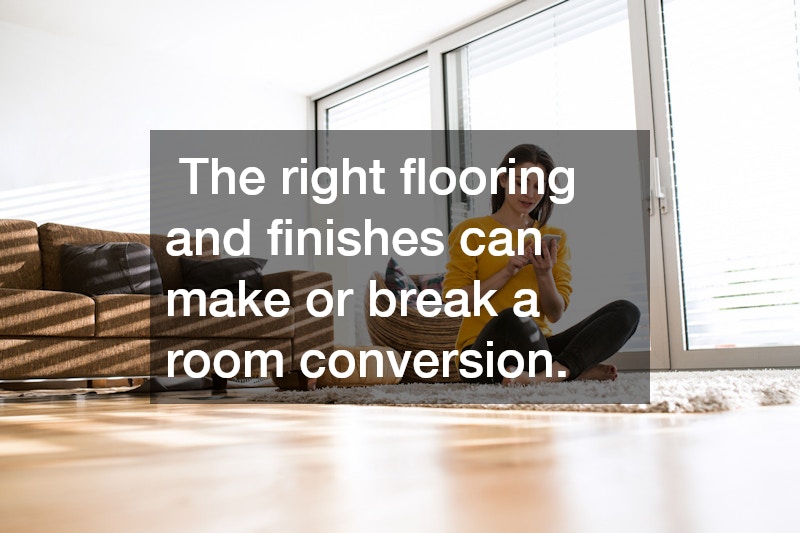
5. Select Flooring and Wall Finishes Strategically
The right flooring and finishes can make or break a room conversion. Your choices should align with both aesthetics and the intended function.
Flooring tips:
-
Durability: Choose materials that withstand the intended use, such as high-traffic tile, laminate, or reinforced concrete.
-
Comfort: Carpeting or cushioned flooring may be preferable in bedrooms, gyms, or play areas.
-
Moisture resistance: Consider vinyl, tile, or sealed concrete for basements or laundry areas.
Wall and surface options:
-
Paint: Choose finishes that are easy to clean for high-use areas.
-
Accent walls or textures: Enhance visual appeal and add personality to the space.
Professional services:
-
Painting contractors: Professionals can ensure clean, durable finishes and creative accents.
-
Local concrete service: For leveling, polishing, or installing new floors in basements or garages, local concrete experts provide durable, long-lasting solutions.
Thoughtful material selection ensures your converted room is visually appealing, durable, and suited to its new purpose.
6. Maximize Storage and Layout Efficiency
A functional space is one that accommodates your belongings and supports your activities without clutter.
Actionable strategies:
-
Built-in shelving or cabinets: Customize storage to fit the room’s dimensions and purpose.
-
Multipurpose furniture: Use desks, beds, or seating that incorporate storage solutions.
-
Zoning: Divide areas for different activities to maintain organization.
Professional services:
-
New shed: Adding an external shed can free up interior space and keep bulky items outside.
-
Garage door company: In garage conversions, consider insulated or upgraded doors that complement your storage layout and improve security.
Efficient layouts maximize usability and help maintain a tidy, organized, and functional environment.
7. Prioritize Safety and Accessibility
Safety and accessibility are essential for rooms that will be used daily or by multiple household members.
Tips for safety:
-
Install smoke detectors and carbon monoxide alarms.
-
Ensure electrical outlets are grounded and child-safe where needed.
-
Maintain clear pathways for movement and emergency egress.
Professional services:
-
Local roofing contractor: Roof inspections are critical if the room is above an attic or upper floor. Properly maintained roofing prevents leaks that could compromise safety.
-
Sprinkler repair: Ensure irrigation adjustments do not lead to water pooling near entryways, which could create slip hazards.
A safe and accessible space protects both the family and the long-term investment in your home renovation.
8. Personalize Your Space With Style and Comfort
Your converted room should reflect your taste while serving its functional purpose.
Design strategies:
-
Color and texture: Use paint, wallpaper, or textiles to define the mood of the room.
-
Furniture selection: Prioritize comfort, function, and space efficiency.
-
Decorative accents: Wall art, rugs, and lighting create a cohesive, welcoming environment.
Professional services:
-
Painting contractors: Experts can deliver precise finishes, creative accent walls, and custom textures.
-
AC service: Ensure temperature and humidity control supports the comfort of decorative materials and furniture.
Personalization makes your space not only functional but also inviting and reflective of your lifestyle.
9. Consider Investment and Resale Value
A well-planned conversion can increase your home’s market value and attract future buyers.
Key points:
-
Functionality sells: Home offices, gyms, and guest rooms are increasingly popular among buyers.
-
Quality upgrades: Professional finishes and reliable systems add credibility.
-
ROI assessment: Consider the potential resale or rental benefits of your conversion.
Professional services:
-
Investment analyst: A consultant can help evaluate how the room conversion affects long-term value.
-
Water damage remediation: Ensuring the space is free from past water issues prevents future valuation problems.
Planning with investment in mind ensures your conversion is not only enjoyable but also financially beneficial.
10. Plan for Maintenance and Long-Term Care
A functional room requires ongoing care to maintain its usability and appearance.
Maintenance tips:
-
Regularly clean flooring, windows, and walls.
-
Inspect HVAC, electrical, and plumbing systems annually.
-
Rotate or move furniture to prevent wear patterns.
Professional services:
-
Local snow plow repair: For converted garage spaces, keep driveways and entrances clear to avoid water and ice damage.
-
Sprinkler repair: Maintain irrigation systems to prevent water intrusion or damage near converted spaces.
Planning for upkeep ensures your converted room remains practical, comfortable, and visually appealing over time.
Converting a room into a functional space is a rewarding home improvement project that improves your lifestyle and increases the value of your property. By carefully assessing your needs, addressing structural concerns, optimizing comfort and lighting, incorporating smart storage solutions, and seeking professional assistance, you can create a room that perfectly fits your goals. Utilizing local home services ensures each step is executed with precision, making the space safe, functional, and enjoyable for years to come. Take the time to plan strategically and invest in expertise to achieve a successful room transformation that will enhance your home for your family and future buyers.
Beyond immediate functionality, a thoughtfully converted room can dramatically improve your day-to-day experience. For example, a well-designed home office can boost productivity and focus, while a comfortable reading nook or hobby room provides a relaxing retreat within your own home. Similarly, transforming an underused basement, attic, or garage into a multipurpose area can free up living space elsewhere, creating a sense of openness and order throughout your home. These benefits extend beyond aesthetics, helping your household operate more efficiently and comfortably.
Additionally, engaging local professionals adds another layer of value. Skilled contractors, designers, and service providers bring expertise that ensures quality workmanship and long-lasting results. They can help identify potential issues before they become costly problems, suggest creative solutions you might not have considered, and provide access to resources that streamline the renovation process. By collaborating with trusted local experts, you not only save time and reduce stress but also ensure that your investment enhances the structural integrity, safety, and resale appeal of your home.
Finally, a well-executed room conversion can have a lasting impact on your property’s marketability. Future buyers increasingly appreciate homes with versatile, thoughtfully designed spaces, and a room that serves multiple purposes demonstrates both creativity and functionality. Whether you’re planning to stay long-term or eventually sell, investing in a quality room transformation is an investment in your lifestyle and your home’s future. By approaching the project with careful planning, professional guidance, and attention to detail, you can enjoy a space that is not only functional and beautiful but also a reflection of your personal style and practical needs.