Homeownership brings pride, stability, and long-term value, but it also brings responsibility—especially when storms, aging materials, and seasonal shifts begin to test your property. Wind, rain, heat, freezing temperatures, and simple time can all contribute to gradual or sudden damage that requires prompt attention. The challenge for many homeowners is not recognizing that something needs to be fixed, but knowing how to prioritize, coordinate, and sequence repairs so they are handled efficiently and safely.
After a major storm or seasonal transition, it is common for multiple issues to surface at once. Roof leaks, electrical irregularities, drainage concerns, and mechanical failures may appear unrelated, yet they are often connected by timing and environmental stress. Without a structured approach, homeowners may address problems out of order, creating delays, repeated disruptions, or unintended consequences elsewhere in the home. Understanding how different systems interact helps ensure repairs are coordinated rather than reactive.
This guide is designed to help homeowners evaluate damage, plan repairs strategically, and work through restoration in a logical sequence. By breaking down common repair categories and explaining how they fit together, homeowners can move forward with confidence. Thoughtful coordination not only protects your property but also supports long-term durability, safety, and comfort through every season.
Assessing Exterior Enclosures and Screened Areas
Exterior enclosures are often the first areas to show signs of damage after storms or extended exposure to sun and moisture. Screened patios, lanais, and pool enclosures protect outdoor living spaces, but they are vulnerable to wind-driven debris, heavy rain, and gradual material fatigue. Tears, warped framing, or loose fasteners may not seem urgent at first, yet they can quickly worsen if left unaddressed.
When evaluating damage to screened areas, it is important to look beyond obvious holes. Check for bent frames, compromised anchors, and sections where screens have loosened from their channels. These issues can allow pests, moisture, and debris to enter spaces meant to remain protected. In regions prone to storms, homeowners often rely on local pool screen repair companies to address these concerns efficiently and restore enclosure integrity before further weather exposure occurs.
Coordinating these repairs early in the recovery process is beneficial because exterior enclosures can affect other systems. For example, damaged screens may allow excess moisture near doors, windows, or foundations, contributing to secondary problems. Completing these repairs promptly helps maintain proper ventilation, preserves outdoor usability, and prevents cascading issues that complicate later stages of home restoration.
Managing Climate Control and Cooling Systems
Seasonal transitions place significant strain on heating and cooling systems, particularly after extreme weather events. High temperatures, humidity, and power fluctuations can reveal weaknesses in mechanical components that may have gone unnoticed during milder conditions. When cooling performance declines, indoor comfort suffers, and humidity-related damage becomes more likely.
Evaluating system performance after storms or seasonal changes involves more than checking temperature output. Homeowners should pay attention to unusual noises, inconsistent airflow, or frequent cycling. These symptoms may indicate underlying issues that affect efficiency and reliability. Addressing air conditioning repair at the appropriate time helps maintain indoor comfort while preventing strain on electrical systems and related components.
Timing is critical when coordinating cooling system work with other repairs. For instance, electrical upgrades, roof work, or insulation improvements can all influence system performance. Completing structural or exterior repairs first may improve efficiency outcomes and reduce the likelihood of repeated adjustments. A coordinated approach ensures climate control solutions align with the overall condition of the home rather than functioning as isolated fixes.
Addressing Structural Integrity Below the Surface
Structural stability is one of the most critical aspects of home maintenance, yet it is often overlooked until visible signs appear. Seasonal soil movement, prolonged moisture exposure, and storm-related erosion can all affect a home’s foundation. Cracks, uneven floors, or sticking doors may signal deeper issues that require careful evaluation.
When planning foundation repairs, homeowners should consider how surface water management, drainage, and exterior grading contribute to long-term stability. Repairing visible damage without addressing contributing factors may result in recurring problems. Structural work is often best coordinated early in the repair process because it can influence other systems, including flooring, walls, and mechanical installations.
Sequencing matters greatly in this category. Foundation stabilization should typically occur before cosmetic or interior updates, ensuring that finished surfaces are not compromised later. By addressing structural concerns first, homeowners create a stable base for all subsequent repairs, reducing long-term risk and preserving property value.
Evaluating Entry Points and Vehicle Access Systems

Large moving components such as garage doors are frequently affected by storms, temperature fluctuations, and daily wear. High winds can knock tracks out of alignment, while humidity and heat can stress springs, motors, and panels. Because these systems are used multiple times per day, even minor issues can quickly escalate into safety or access concerns.
Homeowners should inspect for uneven movement, unusual sounds, or delayed response times. These symptoms often indicate internal wear or alignment problems that require attention. Coordinating garage-related work alongside other exterior repairs ensures consistent access during the repair process and minimizes disruption to daily routines.
Because garage systems are closely tied to structural openings and electrical components, their condition can influence other repairs. Addressing these systems at the right time helps maintain security, protects vehicles and storage areas, and ensures smooth transitions between repair phases.
Knowing When a Full Replacement Is Necessary
In some cases, repair is no longer sufficient, and homeowners must evaluate whether to replace a garage door entirely. Extensive panel damage, repeated mechanical failures, or structural warping may signal that continued fixes will not provide lasting reliability. Making this determination requires balancing functionality, safety, and long-term performance.
Coordinating replacement decisions with other exterior work is often advantageous. For example, aligning replacement timing with siding, roofing, or driveway updates ensures visual consistency and reduces repeated disruption. Replacement projects also provide opportunities to improve insulation, security, and durability in one coordinated effort.
Understanding when replacement is the most practical option allows homeowners to move forward confidently rather than investing time and energy into recurring repairs. Thoughtful planning ensures that replacements support broader home improvement goals rather than creating isolated upgrades.
Coordinating Electrical Systems After Weather Events
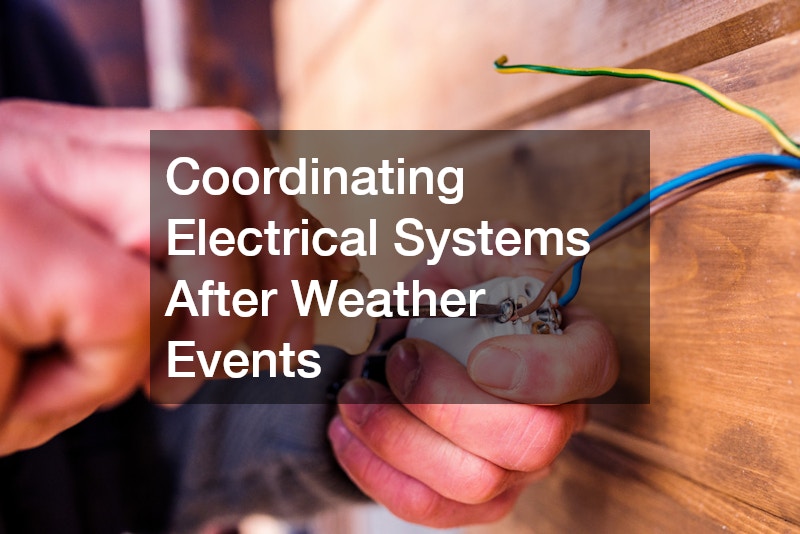
Electrical systems are particularly vulnerable after storms, power surges, and seasonal demand changes. Flickering lights, tripped breakers, or malfunctioning outlets may indicate underlying issues that require careful attention. Because electrical components interact with nearly every system in the home, timing and coordination are essential.
Addressing residential electricial repairs should occur after major structural and moisture-related issues are resolved. Water intrusion, shifting foundations, or roof damage can all affect wiring pathways and connections. Completing foundational and exterior work first reduces the risk of repeat electrical issues caused by unresolved environmental factors.
Electrical repairs often support other systems, including climate control, garage access, and safety features. Coordinating this work thoughtfully ensures reliable performance across the home while reducing the likelihood of future disruptions tied to incomplete repair sequencing.
Responding to Urgent Access and Safety Failures
Some situations require immediate attention, particularly when safety or access is compromised. Sudden malfunctions that prevent secure closure or safe operation demand prompt action to protect occupants and property. These scenarios often arise unexpectedly after storms or during periods of heavy use.
Emergency garage door repairs are a common example of issues that cannot wait. A door stuck open or off its track can expose the home to weather, pests, or unauthorized entry. Coordinating emergency solutions with planned long-term repairs ensures immediate needs are met without compromising future restoration plans.
Even in urgent situations, documentation and communication remain important. Keeping records of emergency actions helps ensure follow-up repairs are aligned with the overall repair strategy, preventing temporary fixes from becoming permanent limitations.
Restoring the Protective Shell of the Home
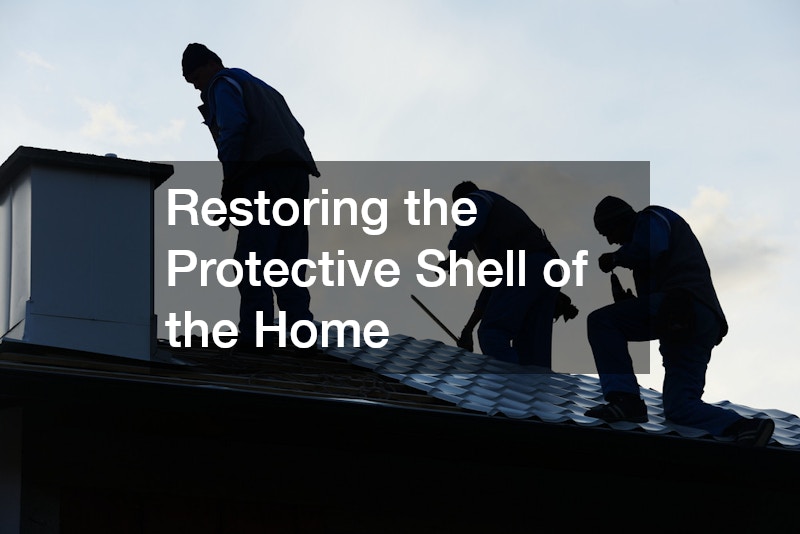
The roof is a home’s primary defense against the elements, and its condition affects nearly every other system. Missing shingles, flashing damage, or minor leaks can quickly escalate if not addressed promptly. Seasonal inspections are especially important after storms or temperature extremes.
Scheduling local roof repair at the appropriate stage of restoration helps prevent interior damage and protects newly completed repairs below. Roof work should generally precede interior finishing, electrical updates, and climate control adjustments to ensure the building envelope is secure.
Coordinating roofing efforts with gutter maintenance, siding inspections, and insulation assessments creates a comprehensive exterior protection strategy. This approach minimizes moisture intrusion risks and supports long-term durability across all seasons.
Planning Ground-Level Surfaces and Drainage
Driveways and paved surfaces play a critical role in directing water away from the home. Cracks, settling, or poor drainage can contribute to erosion and foundation stress over time. Seasonal freeze-thaw cycles and heavy rainfall often accelerate surface deterioration.
Working with driveway paving companies is often part of a broader exterior maintenance plan. Timing these projects alongside drainage improvements, grading adjustments, or foundation work ensures surfaces function properly rather than exacerbating underlying issues.
Well-coordinated paving work improves accessibility, safety, and water management. Addressing these surfaces at the right time helps protect structural components while enhancing curb appeal and usability.
Managing Water Systems and Interior Flow
Plumbing systems are deeply interconnected with structural, electrical, and climate systems. Storm-related pressure changes, soil movement, or aging materials can all affect pipes, drains, and fixtures. Slow drains, unusual noises, or moisture buildup often signal issues that require evaluation.
Coordinating work with plumbers after structural and exterior repairs helps ensure systems are aligned with the home’s stabilized condition. Addressing plumbing concerns too early may lead to repeated adjustments if foundational or drainage issues are still present.
A strategic approach to plumbing repairs supports long-term reliability, reduces moisture-related risks, and ensures that water systems function efficiently across seasons. Thoughtful coordination minimizes disruption while protecting one of the home’s most essential systems.
Coordinating home repairs after storms, wear, and seasonal changes requires more than quick fixes—it demands a strategic, system-wide approach. Each component of the home influences the others, and addressing issues in the proper sequence reduces risk, saves time, and improves long-term outcomes. From exterior enclosures and structural stability to mechanical systems and ground-level surfaces, every repair plays a role in the home’s overall performance.
By assessing damage thoroughly, prioritizing foundational concerns, and coordinating specialized work thoughtfully, homeowners can move through repairs with clarity and confidence. A well-planned repair strategy not only restores functionality but also strengthens resilience against future challenges. With careful planning and informed decision-making, homeowners can protect their investment, enhance comfort, and maintain a safe, reliable living environment throughout every season.
Beyond immediate repairs, effective coordination also encourages homeowners to think more holistically about how their property functions as an interconnected system. Storms and seasonal shifts often expose vulnerabilities that have quietly developed over time, making these moments ideal for reassessing long-term maintenance strategies. Taking notes during inspections, documenting timelines, and understanding how one repair influences another can significantly reduce future disruptions. Homeowners who adopt a proactive mindset are better positioned to anticipate needs rather than react under pressure. This approach fosters clearer communication, smoother scheduling, and fewer surprises as work progresses.
Equally important is recognizing that repair coordination is not a one-time effort but an ongoing process that evolves with the home itself. As materials age and environmental conditions change, priorities may shift, requiring adjustments to maintenance plans. Keeping detailed records of past repairs, weather-related impacts, and system upgrades provides valuable context for future decisions. Over time, this documentation becomes a powerful tool for preserving consistency and accountability across repair efforts. It also supports more informed conversations when evaluating risks, planning inspections, or preparing for seasonal transitions.
Ultimately, the goal of coordinated home repair planning is stability—both structurally and functionally. A home that is maintained with intention performs more reliably, offers greater comfort, and responds better to environmental stress. Thoughtful sequencing reduces redundant work, minimizes downtime, and helps homeowners maintain control during otherwise overwhelming situations. By viewing repairs as part of a broader strategy rather than isolated tasks, homeowners create a living space that adapts more effectively to change. This comprehensive approach transforms challenges into opportunities for improvement, reinforcing the home’s ability to protect, support, and serve its occupants year after year.