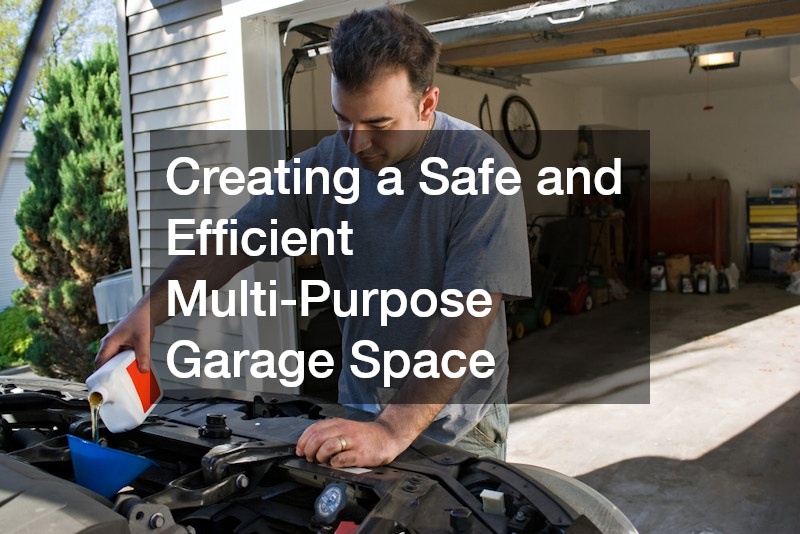
A garage used to be a simple place to park a car and stash a few tools. Today, it often serves as far more—a workshop, a home gym, a storage hub, or even a quiet retreat from the rest of the house. Turning your garage into a safe and efficient multi-purpose space is less about big, flashy upgrades and more about thoughtful planning, smart improvements, and attention to how the space will actually function day to day.
If done right, your garage can become one of the most versatile areas of your home—without compromising safety, comfort, or long-term value.
Start With a Clear Plan for How You’ll Use the Space

Before you touch a single tool or call a contractor, pause and think about how you actually want to use your garage. Not in theory—but in your real, everyday life.
A multi-purpose garage works best when it’s built around clearly defined zones. For example, you might want:
- A workspace for DIY projects
- Storage for seasonal items
- A small fitness area
- Room to still park one vehicle
Trying to blend all of these without a plan often leads to clutter, inefficiency, and even safety hazards. Instead, sketch out your layout—even if it’s just on paper. Think about how you move through the space. Where do you need an open room? Where can you go vertical?
It’s also worth considering future needs. Maybe today you want a workshop, but in a few years, you might need a quiet office or guest area. Planning for flexibility now saves you from redoing everything later.
In some cases, homeowners realize they need more space than the garage footprint allows. That’s when it can make sense to explore options like an attic buildout, especially if you’re trying to keep the garage floor uncluttered while still expanding usable square footage.
The key takeaway: a clear, realistic plan prevents your garage from becoming a chaotic catch-all and sets the foundation for everything that follows.
Upgrade Entry Points for Safety and Daily Convenience
Your garage’s entry points do more than just provide access—they directly affect safety, energy efficiency, and ease of use.
Start by taking a hard look at the condition of your garage door. If it’s noisy, uneven, or difficult to open, it’s not just inconvenient—it could be unsafe. Modern systems are designed with better balance, insulation, and security features that make a noticeable difference.
Equally important are garage door openers. Older models often lack basic safety features like auto-reverse sensors. Upgrading to a newer system can:
- Reduce the risk of accidents
- Improve reliability during daily use
- Add smart features like remote access and alerts
If your garage connects directly to your home, don’t overlook interior access points either. Reinforcing locks, sealing gaps, and ensuring proper alignment all contribute to a safer and more efficient setup.
Sometimes, the smartest move is bringing in professionals for door services. They can assess alignment, balance, and wear that might not be obvious at first glance. A quick inspection now can prevent a much larger issue later—especially if your garage door is used multiple times a day.
Improve Lighting, Ventilation, and Visibility
A dark, poorly ventilated garage can quickly become uncomfortable—and even hazardous. Improving light and airflow transforms how the space feels and functions.
Start with natural light. If your garage has windows that are foggy, cracked, or inefficient, addressing them through window repair can significantly improve both brightness and insulation. Even small changes here can reduce your reliance on artificial lighting during the day.
From there, layer your lighting:
- Overhead lighting for general visibility
- Task lighting for work areas
- Accent lighting if the space doubles as a living or recreational area
Ventilation is just as important, especially if you’re using the garage for projects, workouts, or anything involving chemicals or fumes. Proper airflow helps regulate temperature and keeps the air healthy.
In warmer climates, tying your garage into a broader AC installation plan can make a dramatic difference. Even a modest system or extension can turn a sweltering garage into a usable space year-round.
Think of lighting and ventilation as quality-of-life upgrades—they don’t just improve the space; they determine how often you’ll actually use it.
Reinforce Floors for Durability and Safety

The floor of your garage takes more abuse than almost any other surface in your home. It supports vehicles, heavy equipment, dropped tools, and constant foot traffic. Ignoring it can lead to bigger problems over time.
Start by examining the condition of your existing surface. Small cracks or uneven areas might not seem urgent, but they can quickly worsen—especially with moisture or temperature changes.
Professional floor repair can address these issues at the source, creating a stable base for everything else you plan to add. Once repaired, consider upgrading the surface with coatings like epoxy or sealed concrete. These options are:
- Easier to clean
- More resistant to stains and chemicals
- Safer, especially with anti-slip finishes
If you notice persistent moisture, unexplained damp spots, or shifting cracks, it may point to a deeper issue like slab leak repair. Addressing this early is critical—not just for the garage, but for the structural health of your home.
A strong, well-maintained floor isn’t just about durability—it’s about creating a safe, reliable foundation for every other improvement.
Ensure Proper Plumbing and Utility Setup
Adding functionality to your garage often means adding utilities. Whether it’s a utility sink, a washer and dryer, or even a small bathroom, these upgrades can dramatically increase convenience.
But they need to be done right.
Working with a qualified plumbing service ensures that water lines, drainage, and connections are installed safely and up to code. Poorly installed plumbing can lead to leaks, water damage, and costly repairs down the line.
Think carefully about placement. A sink near your workspace can make cleanup easier, while a laundry setup might make sense closer to the home entry point. The goal is to make the space more efficient—not more complicated.
If your garage renovation is part of a larger home update, it’s worth coordinating these changes with projects like basement remodeling. This allows you to streamline plumbing systems and avoid redundant work.
Utilities should feel seamless—like they were always meant to be there. When done right, they elevate your garage from a basic space to a truly functional extension of your home.
Create Smart Storage That Reduces Clutter
Clutter is the fastest way to turn a promising multi-purpose garage into a frustrating one. The solution isn’t just more storage—it’s smarter storage.
Start by thinking vertically. Walls and ceilings offer valuable real estate that often goes unused. Shelving, pegboards, and overhead racks can free up floor space while keeping items accessible.
But organization goes beyond installing shelves. It’s about creating a system that you can maintain over time.
Consider grouping items by category:
- Tools and hardware
- Seasonal decorations
- Sports equipment
- Household overflow
Clear labeling can make a surprising difference, especially in a shared space where multiple people need to find things quickly.
There’s also a balance to strike. Overloading your garage with storage can limit its flexibility. Leave room for movement, projects, and future changes.
A well-organized garage doesn’t just look better—it works better. It reduces stress, saves time, and makes every other feature of the space more effective.
Make the Space Comfortable for Year-Round Use

A garage that’s too hot, too cold, or too noisy will rarely get used—no matter how well it’s designed.
Comfort starts with insulation. Many garages are under-insulated or not insulated at all, which makes temperature control difficult. Upgrading insulation in walls, ceilings, and even doors can stabilize the environment significantly.
From there, consider how you’ll heat or cool the space. Options range from portable solutions to more permanent systems, depending on how often you plan to use the area.
Noise is another factor that’s easy to overlook. If your garage shares walls with living spaces, adding sound-dampening materials can make a big difference—especially if you’re using power tools or exercise equipment.
Material choices also matter. Surfaces that are easy to clean and resistant to wear will keep the space comfortable and low-maintenance over time.
Comfort isn’t just about luxury—it’s about usability. The more comfortable your garage is, the more it becomes a natural extension of your home.
Focus on Safety Features That Protect Your Investment
Safety isn’t a single upgrade—it’s a mindset that should guide every decision you make in your garage.
Start with fire safety. If you’re storing tools, chemicals, or equipment, consider fire-resistant materials and install smoke detectors where appropriate.
Electrical systems should be evaluated as well. A multi-purpose garage often requires more power than a basic setup. Upgrading outlets, circuits, and panels ensures you can safely run everything you need without overloading the system.
It’s also important to think about everyday risks. Secure heavy items properly, store hazardous materials out of reach, and keep walkways clear.
If children or pets have access to the garage, take extra precautions:
- Lock away sharp tools and chemicals
- Cover exposed outlets
- Ensure heavy equipment is stable
Finally, commit to regular check-ins. A quick inspection every few months can catch small issues before they become major problems.
A safe garage isn’t just about avoiding accidents—it’s about protecting the time, effort, and money you’ve invested in creating a space that truly works for you.
Creating a safe and efficient multi-purpose garage space isn’t about doing everything at once. It’s about making thoughtful decisions, prioritizing what matters most, and building a space that supports your daily life.
With the right approach, your garage can evolve from a simple storage area into one of the most valuable and versatile parts of your home—ready to adapt as your needs change over time.