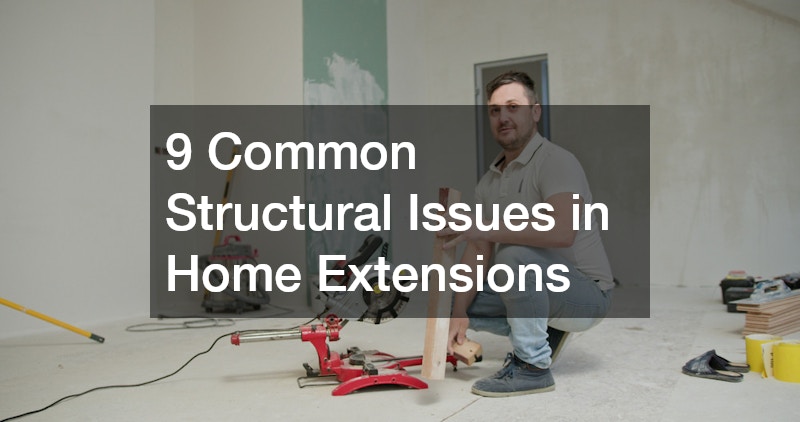
Expanding your home is exciting. More space means more comfort, better functionality, and often a boost in property value. But behind every beautiful new addition is a structural system that has to carry weight, resist moisture, manage airflow, and connect seamlessly to the original home.
That structural system has several critical responsibilities, including:
- Transferring roof and floor loads safely to the foundation
- Preventing water intrusion at every seam and transition
- Maintaining balanced airflow between old and new spaces
- Supporting insulation so it performs at full efficiency
- Integrating electrical, plumbing, and HVAC systems without overload
Most of these elements are hidden once drywall goes up. Homeowners see finished surfaces; they don’t see the beams, connectors, sealants, vapor barriers, or footings that make the space stable. Yet those hidden components determine whether the addition feels solid and efficient—or slowly becomes a source of frustration.
An extension is not an independent structure. It changes how the entire house behaves. It can:
- Redistribute weight across existing framing.
- Alter roof drainage patterns.
- Shift airflow and pressure balances.
- Increase heating and cooling demands.
- Introduce new moisture exposure points.
Even a modest bump-out can influence structural and energy performance throughout the home.
When structural planning falls short, problems rarely show up right away. Instead, they creep in—cracks along ceiling lines, doors that won’t latch, subtle dips in flooring, unexplained humidity, rising utility bills. Many homeowners assume these are cosmetic issues. Often, they’re not.
What looks minor at first can signal deeper structural movement:
- A ceiling crack may indicate differential settling.
- A sticking door could reflect the beam deflection above.
- Slight floor sloping may point to a foundation shift.
- Persistent humidity might reveal ventilation or vapor barrier failures.
The delayed nature of these issues makes them particularly frustrating. Structural weaknesses often reveal themselves months or even years after completion. By that time:
- Surface finishes may need to be removed to access the root cause.
- Repair costs are higher than preventative upgrades would have been.
- Energy inefficiencies have already increased utility expenses.
Many homeowners experience a gradual realization. It often starts with small observations:
- ”That crack wasn’t there before.”
- ”This room feels warmer in summer than the rest of the house.”
- ”The floor doesn’t feel quite as level as it used to.”
Individually, these may seem insignificant. Together, they can indicate that the extension wasn’t fully integrated with the home’s structural and mechanical systems.
Understanding common structural risks shifts the focus from short-term aesthetics to long-term performance. The goal isn’t to overcomplicate your project—it’s to ensure that the addition remains:
- Structurally stable
- Moisture-resistant
- Energy-efficient
- Low-maintenance
Below are nine of the most common structural issues in home extensions, along with practical guidance to help you avoid costly repairs and long-term inefficiencies. Each reflects patterns seen repeatedly in residential construction—where careful planning either protected the home’s integrity or where small oversights created avoidable long-term strain.
1. Weak or Inadequate Foundation Support
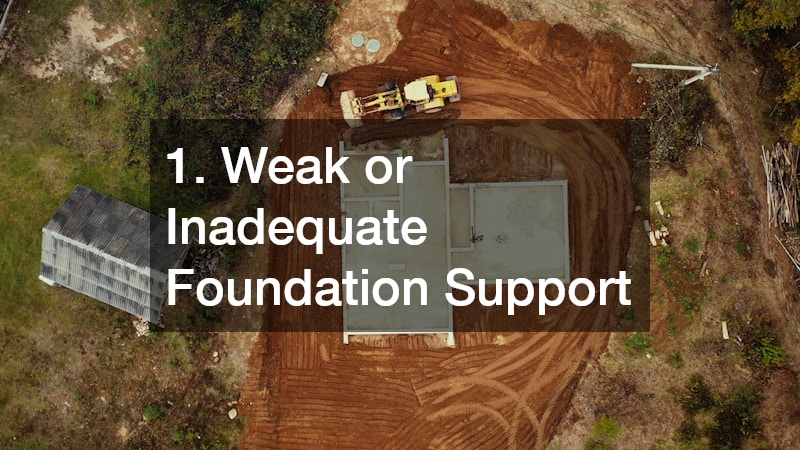
A home extension is only as strong as the soil beneath it. Unfortunately, foundation problems are one of the most overlooked structural risks during planning.
Many homeowners assume that extending a slab is straightforward: dig, pour, and build. But soil composition varies widely—even across the same property. Expansive clay soils swell when wet and shrink during dry spells. Poorly compacted fill can settle over time. If the new foundation isn’t engineered for these conditions, cracks and uneven settling become almost inevitable.
One common scenario looks like this: a homeowner adds a rear extension for a larger kitchen. Everything seems fine for a year. Then, small cracks begin forming where the old house meets the new addition. The new floors slope slightly toward the exterior wall. That’s differential settlement—meaning the new foundation is moving differently from the old one.
Before construction begins, insist on:
- Soil testing and compaction verification
- Proper footing depth based on frost lines and local code
- Reinforcement design that accounts for expected load
Exterior grading also plays a larger role than many realize. If water isn’t directed away from the new foundation, soil erosion can weaken support over time. In some cases, homeowners who invest in driveway replacement inadvertently alter drainage patterns, allowing runoff to pool near the extension’s footings.
There’s also a health consideration. Excavation can disturb soil gases, making radon testing essential after foundation work. Even if levels were previously low, new structural seams can allow gases to enter differently.
A well-built foundation isn’t glamorous, but it determines whether your extension remains stable for decades—or begins shifting within years.
2. Improper Roof Tie-Ins That Cause Leaks
When a new roofline meets an existing one, the connection must transfer weight and repel water flawlessly. If either function is compromised, problems escalate quickly.
The challenge lies in integration. Roofs aren’t just shingles—they’re structural systems built to carry snow loads, wind pressure, and sometimes added weight from upgrades like solar panel installation. When the extension’s framing doesn’t align properly with the original structure, stress concentrates at connection points.
Leaks often appear at these transitions first. A small flashing error may go unnoticed for months. By the time stains appear on interior drywall, moisture may have already weakened roof decking or framing.
To avoid these issues:
- Confirm load calculations for the new roof section.
- Ensure flashing and underlayment extend correctly beneath existing materials.
- Reinforce connection points before closing up the framing.
If your long-term plans include energy upgrades, make sure the roof structure can support them. Homeowners sometimes add panels years later without verifying structural capacity. A reputable roofing company can assess whether rafters and decking are sufficient before installation.
Water intrusion from a poor tie-in doesn’t just cause cosmetic damage. It can compromise insulation performance, increase energy costs, and create hidden mold within structural cavities.
3. Load-Bearing Walls Removed Without Reinforcement
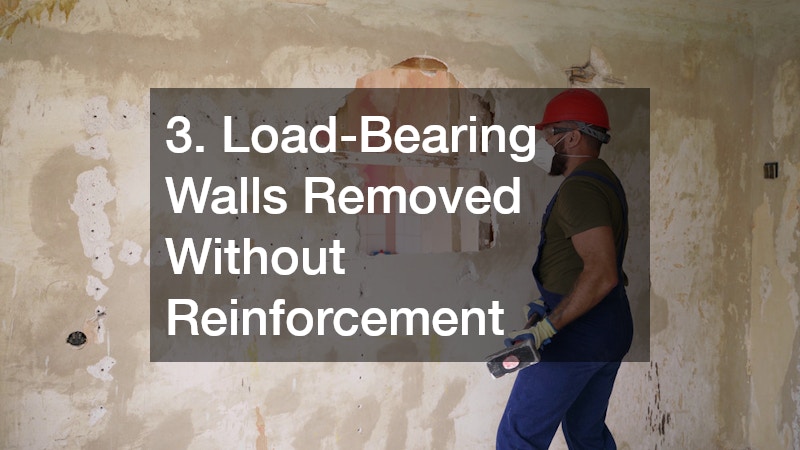
Open-concept living spaces remain popular, but removing a wall without understanding its structural role is one of the fastest ways to destabilize a home.
Not all walls carry weight, but many do—even interior ones. When a load-bearing wall is removed, its responsibility must transfer to a properly sized beam supported by adequate footings. Undersized beams may sag gradually, creating ceiling cracks and uneven flooring above.
Homeowners sometimes underestimate the ripple effects. In one case, a family removed a wall to expand their extension’s living area. Months later, they noticed hairline cracks forming along the ceiling seam and a slight dip where the wall once stood. The beam installed wasn’t rated for the span.
Structural engineering matters here. The process typically involves:
- Identifying load paths from the roof and upper floors
- Calculating beam size (often LVL or steel)
- Installing columns with proper footings beneath
Plumbing and utilities complicate matters further. When rerouting lines through new framing, accidental pipe damage can occur. If not handled properly, that’s how you end up calling an emergency plumber mid-project, delaying construction and increasing costs.
Wall removal should never be improvisational. Every load needs a new path to the ground.
4. Poor Drainage and Moisture Management
Water is relentless. If your extension doesn’t actively move water away, it will eventually move inward.
Unlike sudden structural failures, moisture damage is slow and quiet. Over time, damp framing weakens, insulation loses effectiveness, and mold develops within concealed cavities.
The problem often begins outside. Improper grading or missing drainage systems allow water to collect along foundation walls. During heavy rains, hydrostatic pressure pushes moisture through concrete.
Construction practices also matter. Debris left around the site can trap moisture or attract pests. Consistent garbage pickup during and after the build reduces organic waste that might encourage infestation or block drainage paths.
Moisture also invites insects. Even well-built framing becomes vulnerable if termites or other pests find damp entry points. Scheduling a termite control service as a preventative measure can protect the structural integrity of new wood framing, especially in humid climates.
Here’s what proactive moisture management looks like:
- Downspouts extended at least several feet from foundation walls
- Sloped grading that directs runoff away from the structure
- Vapor barriers beneath slabs and within crawlspaces
- Sealed penetrations around utility entries
Structural damage from moisture is expensive—and often preventable with thoughtful site management.
5. Electrical System Overloads in Expanded Spaces
Extensions increase demand. More square footage means more lighting, outlets, HVAC equipment, and often specialized systems.
Older homes may not have electrical panels sized to handle the additional load. Without upgrades, breakers trip frequently—or worse, wiring overheats behind walls.
One common oversight involves modern technology integration. Homeowners expanding a garage or adding a workshop often plan for future EV charging without verifying electrical capacity. High-amperage circuits require careful planning, and in some cases, panel upgrades or dedicated subpanels.
Electrical strain isn’t just inconvenient—it affects energy efficiency. Overloaded systems operate less effectively, leading to unnecessary consumption and higher monthly bills.
To prevent overloads:
- Conduct a full load calculation before framing closes
- Upgrade panels if capacity is marginal
- Install dedicated circuits for high-demand appliances
- Ensure wiring gauge matches anticipated load
Future-proofing electrical systems during construction is far more affordable than retrofitting later.
6. Inadequate Ventilation and Indoor Air Quality Problems
An extension that is tightly sealed for energy efficiency can unintentionally trap moisture and pollutants.
Ventilation must be balanced. Too little airflow allows humidity to accumulate, damaging framing and insulation. Too much uncontrolled airflow undermines heating and cooling efficiency.
Attic spaces above extensions are particularly vulnerable. Without adequate intake and exhaust ventilation, heat and moisture build up, degrading structural components over time.
Another issue involves wildlife intrusion. Small gaps along rooflines or soffits can become entry points for animals. Beyond the nuisance, nesting animals can damage insulation and framing. In these situations, homeowners may require a wildlife removal service to restore safe conditions.
Proper ventilation planning includes:
- Ridge and soffit vent coordination
- Sealing gaps around penetrations
- Ensuring HVAC systems distribute conditioned air evenly
Healthy airflow protects both structural materials and indoor comfort.
7. Garage Conversions Without Structural Floor Reinforcement
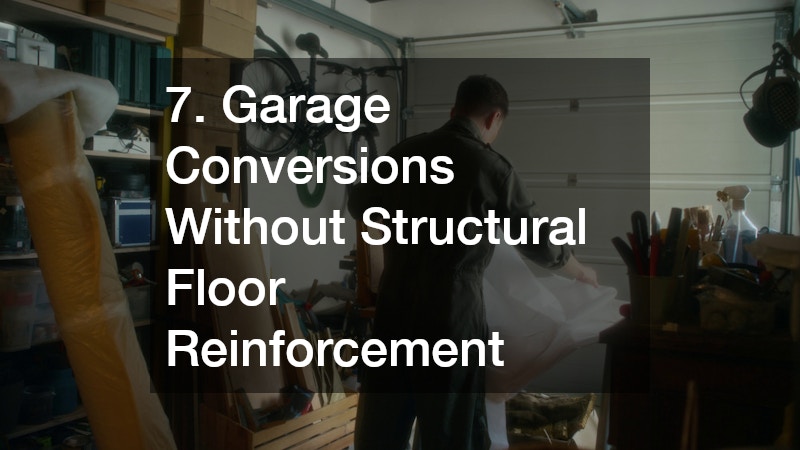
Garage conversions are popular because the structure already exists. But structurally, garages are rarely built to the same standards as living spaces.
Garage slabs are often thinner and may lack vapor barriers. Converting the space without reinforcing the slab can result in cracked flooring, moisture intrusion, and insulation problems.
The large door opening presents another challenge. When enclosing it, framing must replace the structural support originally provided by the header system. If improperly reinforced, that wall may shift.
Even mechanical systems require attention. Conversions sometimes affect the operation of adjacent garage doors. If framing adjustments alter alignment, homeowners may find themselves scheduling garage door repair unexpectedly.
Before converting:
- Evaluate slab thickness and moisture protection
- Install insulation beneath new flooring if needed
- Reinforce headers and ensure proper load transfer
Done properly, a garage conversion can become a seamless living space. Done hastily, it introduces preventable structural headaches.
8. Insufficient Waterproofing at Expansion Joints
Where the old house meets the new addition, expansion joints form. These joints allow slight movement between structures—but they are also vulnerable to water intrusion.
Cracks at these seams may appear minor at first. However, repeated moisture exposure weakens materials and compromises insulation performance.
Waterproofing at these joints requires layered protection:
- Flexible sealants designed for movement
- Flashing that overlaps correctly
- Continuous weather-resistant barriers
Because rooflines often intersect at these transition points, coordination matters. In some cases, consulting a roofing company to inspect tie-ins and flashing can prevent long-term leaks that originate at expansion joints.
Routine inspection is key. Annual checks for hairline cracks or deteriorating sealant can extend the lifespan of these structural connections.
9. Ignoring Utility Line Relocation During Expansion
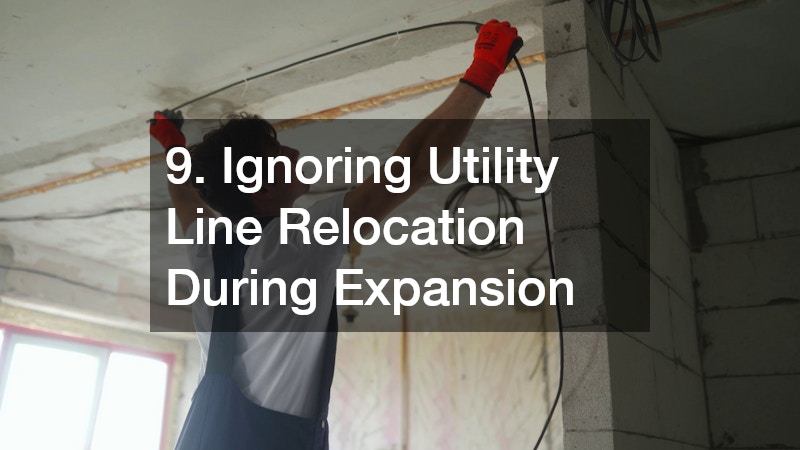
Utility lines—water, sewer, gas, and electrical—often run precisely where an extension is planned.
Failing to map and relocate them properly can destabilize soil or damage infrastructure. Striking a sewer line during excavation may wash out supporting soil, undermining the slab.
Planning demolition logistics is equally important. Coordinated garbage pickup prevents debris from obstructing access to critical underground lines during relocation.
When plumbing adjustments are rushed, leaks may appear weeks after completion. That’s when homeowners discover the inconvenience of calling an emergency plumber because a line was stressed or improperly reconnected during structural work.
Best practices include:
- Requesting updated utility maps before excavation
- Inspecting relocated lines prior to backfilling
- Documenting new line paths for future reference
Structural integrity extends beyond framing—it includes the systems that run beneath it.
Building Extensions That Last
Home extensions should improve comfort, efficiency, and long-term value—not introduce hidden structural liabilities.
The common thread among these issues is planning. Most structural problems stem from assumptions:
- Assuming soil is stable without proper testing
- Assuming a wall isn’t load-bearing because it ”looks” non-structural
- Assuming existing electrical, plumbing, or HVAC systems can handle the new demand
- Assuming minor drainage changes won’t affect the foundation
When homeowners prioritize engineering, moisture management, ventilation, and infrastructure coordination, extensions perform as intended. In practical terms, that means:
- Loads are properly calculated and transferred safely to the ground.
- Water is directed away from foundations, walls, and roof seams.
- Airflow is balanced to prevent condensation and insulation breakdown.
- Mechanical systems are sized to serve both old and new spaces efficiently.
When those elements are aligned, extensions stay dry. They remain level. They operate efficiently.
And perhaps most importantly, they lower long-term maintenance costs and utility bills by preventing the kinds of hidden failures that quietly drain resources over time. Preventative planning helps homeowners avoid:
- Recurring drywall cracks caused by settling
- Rising humidity weakens framing
- Overworked HVAC systems that inflate energy bills
- Repeated minor repairs that add up financially
A thoughtful extension isn’t just about gaining space. It’s about building something that works in harmony with the home you already have—structurally sound, energy-conscious, and designed to endure.
That harmony shows up in everyday details:
- Floors that feel solid and consistent, from old rooms to new
- Doors and windows that don’t shift with seasonal changes
- Even temperatures throughout the house
- Predictable monthly utility costs
Behind that comfort is a series of intentional decisions made early in the project. When structural integrity and efficiency guide those decisions, the extension becomes a long-term asset rather than a future source of stress.