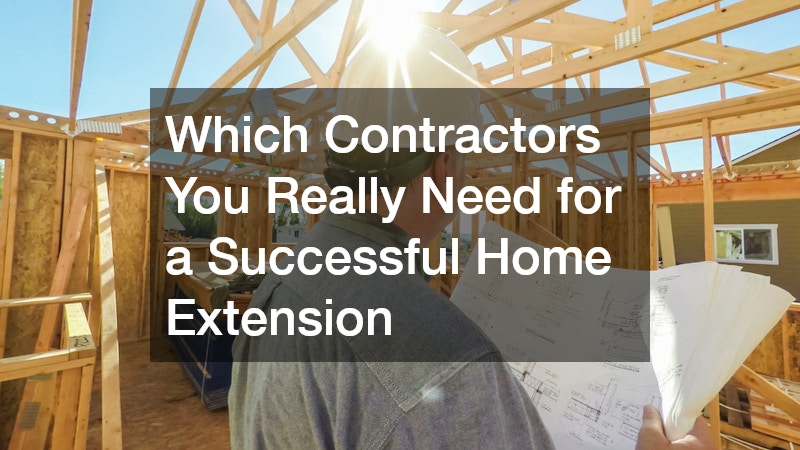
Extending your home is an exciting opportunity to create additional living space, improve functionality, and increase property value. However, it’s also a complex undertaking that involves multiple trades, careful planning, and strategic decision-making. Choosing the right contractors is critical to ensuring your project runs smoothly, stays on budget, and meets your expectations. From preliminary site assessments to the finishing touches, the expertise and coordination of specialized professionals can make the difference between a seamless home extension and one fraught with delays, cost overruns, and unexpected issues.
When planning an extension, homeowners must consider factors such as structural integrity, local regulations, timeline management, and long-term durability. Each contractor brings unique skills to the project, whether it’s ensuring safe excavation, executing precise structural work, or installing efficient systems that enhance comfort and energy performance. Understanding which professionals to hire, when to involve them, and how their work interconnects is essential to achieving a successful result.
Planning and Managing Your Project Efficiently
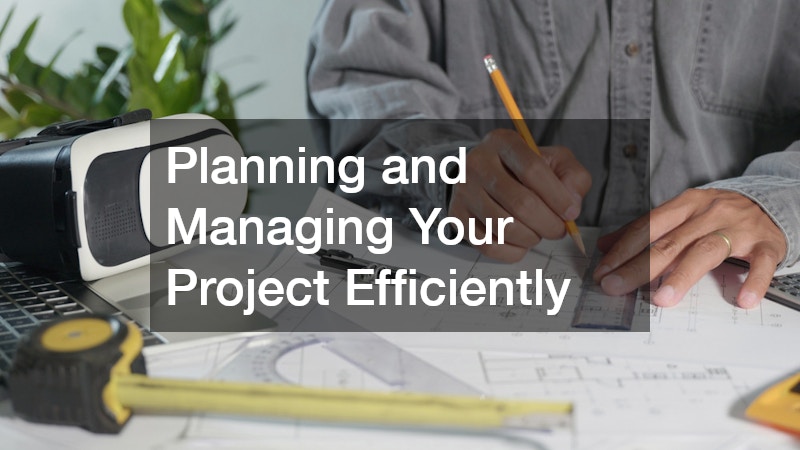
A successful extension relies on careful planning, design insight, and ongoing coordination. A home remodeling company brings the experience necessary to guide your project from concept to completion, helping you avoid common pitfalls that can derail timelines and budgets. Their expertise allows them to anticipate challenges before they arise, such as unexpected site conditions, material shortages, or conflicts between different trades, and implement solutions proactively.
A remodeling company can help you refine your ideas into practical, compliant designs. From optimizing floor plans to integrating natural light and energy-efficient systems, their knowledge ensures that your extension complements both your lifestyle and the existing structure. They can also provide valuable advice on material selection, finishes, and layout adjustments that enhance functionality, aesthetics, and long-term durability, ultimately increasing the overall value of your home.
Managing multiple trades, scheduling deliveries, and handling permits can quickly become overwhelming. A remodeling company coordinates subcontractors, timelines, and inspections, allowing you to focus on the broader vision rather than daily logistics. Their project managers track progress, ensure tasks are completed in the proper sequence, and facilitate communication among all parties, reducing miscommunication and costly delays.
Compliance with building codes, zoning regulations, and safety standards is non-negotiable. Experienced remodelers maintain rigorous quality control throughout the project, ensuring that every phase meets legal and structural requirements. They also stay updated on evolving regulations and best practices, giving you peace of mind that your extension will meet both current standards and long-term safety expectations.
Preparing Your Property for Construction
Landscaping and site preparation are often overlooked, yet they form the foundation for any home extension. Working with a local tree service ensures that your property is ready for construction without risking damage to your existing landscape. These specialists assess the condition, placement, and species of trees to determine whether removal, trimming, or other maintenance is necessary before heavy machinery and building activities begin. Early evaluation also helps identify potential hazards, such as weak branches or invasive root systems, that could compromise the safety and stability of your project.
Tree removal may be necessary when roots interfere with the foundation or overhanging branches pose hazards during construction. A professional service evaluates which trees can remain, which need trimming, and which must be removed entirely. Making these decisions early avoids complications and costly adjustments once construction begins. Additionally, proper timing of tree removal can minimize stress on surrounding plants and reduce disruption to your yard’s overall ecosystem.
Even when trees don’t require removal, strategic trimming is crucial. Proper maintenance ensures that branches won’t interfere with scaffolding, roofing, or the delivery of materials. It also promotes healthy growth for trees that remain, preserving the aesthetic, shade, and environmental benefits of your property. Regular trimming can prevent future damage from storms and help maintain clear sightlines for safety and security around your construction site.
After tree removal, leftover stumps and root systems can obstruct construction equipment or complicate later landscaping efforts. Stump grinding and debris removal by a professional service helps maintain a clean, safe, and accessible site. This preparation is especially important if your extension involves laying foundations, underground utility connections, or hardscaping elements. In some cases, soil stabilization and minor grading may also be recommended to ensure proper drainage and prevent erosion, laying a solid groundwork for a structurally sound and long-lasting extension.
Optimizing Concrete Work
Proper concrete placement is vital for a stable foundation. Using a concrete pumping company ensures the process is efficient, accurate, and safe, reducing the risk of structural issues that could compromise your extension in the long term. Early involvement of a pumping service allows for careful planning of pour sequences, access points, and equipment positioning, which is especially important for complex layouts or constrained sites.
Concrete pumps allow for precise placement even in hard-to-reach areas, such as upper floors, narrow spaces, or areas with heavy reinforcement. This precision is critical for multi-level extensions or sites with limited access, as it minimizes the need for manual transport and reduces the likelihood of voids or weak spots. Properly placed concrete ensures a uniform foundation, providing a solid base for walls, floors, and other structural components.
Using specialized pumping equipment also minimizes labor requirements and accelerates the pouring process. Faster completion of foundations and slabs helps keep the project on schedule, which is particularly beneficial when weather conditions are unpredictable. By reducing delays, it also lowers overall labor costs and mitigates the risk of material wastage.
Manual handling of concrete can be dangerous and inconsistent, increasing the potential for accidents, uneven surfaces, or improperly compacted areas. Professional pumping not only reduces the physical strain on workers but also maintains consistent mixing and placement throughout the pour. Additionally, experienced operators can monitor flow rates, adjust for site conditions, and coordinate with other trades to ensure smooth progress, reinforcing the structural integrity and longevity of your extension.
Checking for Underground Hazards
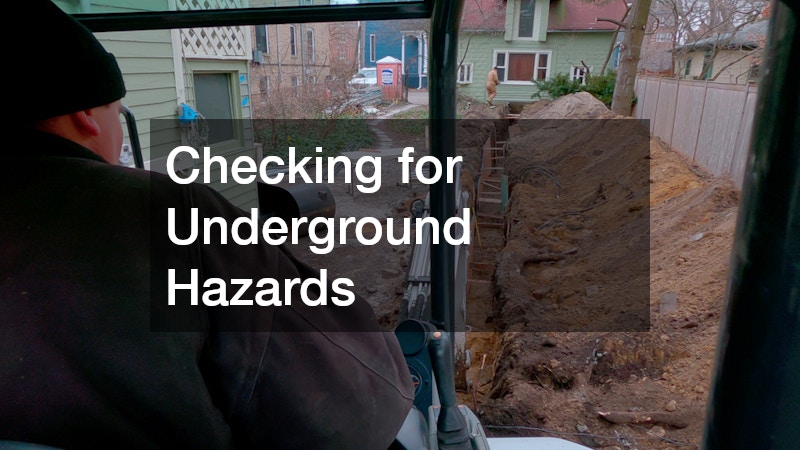
Before excavation begins, identifying underground utilities is crucial. A local utility locator helps prevent accidental damage to gas, water, electrical, and telecommunications lines, safeguarding your property and the safety of workers. These professionals use specialized equipment, such as ground-penetrating radar and electromagnetic locators, to accurately identify the location and depth of buried infrastructure. This information allows your construction team to plan digging and foundation work with confidence.
Damaging an underground utility can halt construction, cause costly repairs, and pose serious safety risks, including fire hazards or electrocution. Utility locators map out existing lines, allowing contractors to dig safely and avoid unexpected interruptions. Beyond safety, accurate utility mapping helps preserve landscaping, driveways, and other site features that could be affected by uncontrolled digging.
Many municipalities require confirmation that utility lines have been identified before construction. Engaging a professional locator ensures your project complies with local regulations, preventing fines, work stoppages, or legal liability. Some regions also offer “call before you dig” programs that require professional verification before any excavation.
Skipping this step may save time initially, but repairs and penalties from damaged utilities can far exceed the cost of a professional utility survey. Investing upfront reduces risk, protects workers and neighbors, and keeps the project on track. Additionally, having a detailed utility map allows other trades—such as plumbers, electricians, and landscapers—to work efficiently without encountering surprises, further streamlining your home extension project.
Building a Strong Structural Framework
The framework of your extension must be strong, precise, and reliable. A framing contractor ensures that walls, floors, and roof structures are built to exact specifications, providing a safe and durable foundation for every subsequent phase of construction. Their expertise helps avoid costly mistakes that could compromise structural integrity or create misalignments with other trades.
Framing contractors calculate load-bearing requirements, select high-quality materials, and install supports according to engineering standards to accommodate both the existing structure and new additions. Proper framing is critical to prevent sagging, shifting, or structural failure over time, and it ensures that your extension meets building codes and safety regulations. Attention to detail during framing also minimizes future maintenance issues and potential repair costs.
Experienced framers interpret architectural plans with precision, translating complex drawings into accurately constructed structural elements. Their efficiency helps keep the project on schedule without sacrificing quality, reducing delays that can cascade through other trades.
Framing sets the stage for plumbing, electrical, and HVAC installation. A professional contractor coordinates with these trades to ensure that walls, joists, and openings are correctly positioned to accommodate wiring, pipes, vents, and ductwork. Early coordination prevents costly rework and helps maintain a smooth workflow, ensuring that each system integrates seamlessly into the overall structure. Additionally, framers often provide input on modifications that optimize both functionality and aesthetic appeal, ensuring that your extension is not only structurally sound but also practical and visually cohesive.
Protecting Your Home from the Elements
A well-installed roof safeguards your home from weather damage and contributes to overall energy efficiency. A residential roofing contractor ensures that your extension is protected with durable materials, proper installation techniques, and attention to structural integrity, helping prevent long-term issues such as leaks or insulation problems.
Specialist roofers prevent leaks, water damage, and potential mold growth by employing precise installation techniques and weatherproofing solutions tailored to your extension’s design. They also assess roof pitch, ventilation, and drainage to enhance performance and durability under varying weather conditions.
From shingles to metal roofing, contractors advise on materials suited to your climate, budget, and aesthetic preferences, optimizing both longevity and performance. Their expertise helps you balance visual appeal with functional considerations, such as snow load, heat absorption, and wind resistance.
Professional roofers provide ongoing maintenance guidance and repair services, ensuring that your roof remains secure, functional, and energy-efficient for years to come. Regular inspections and preventive care reduce the risk of costly repairs and extend the life of your investment.
Maintaining Comfort and Efficiency
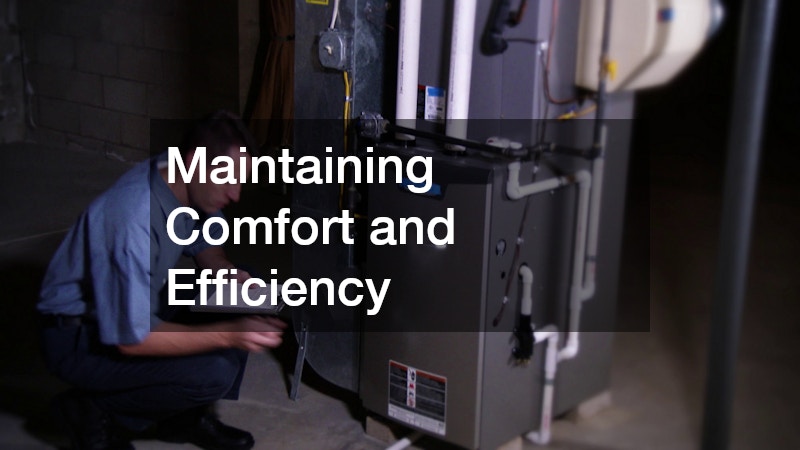
Efficient heating and cooling are essential for a functional extension. Consulting an HVAC company early ensures systems are correctly designed and installed.
HVAC professionals calculate load requirements, select suitable units, and install ductwork or other distribution systems that maintain optimal indoor conditions.
Modern systems reduce energy consumption while providing consistent temperature and air quality. Professionals optimize placement and operation for maximum efficiency.
Ongoing maintenance plans extend system lifespan, prevent costly breakdowns, and maintain energy efficiency over time, ensuring long-term comfort.
Ensuring Proper Water Systems
Reliable plumbing is essential for functionality and safety. A licensed plumber designs layouts, installs fixtures, and handles maintenance to support your extension.
Plumbers plan optimal pipe routes, minimizing pressure loss and ensuring reliable supply to all areas, from bathrooms to kitchens.
Professional installation guarantees correct connections for sinks, showers, toilets, and water heaters, reducing leaks and maintenance issues.
Experienced plumbers provide preventative maintenance and rapid response to emergencies, safeguarding your home against water damage and system failures.
Coordinating Multiple Contractors
Managing all the moving parts of a home extension requires oversight. Building contractors handle coordination, compliance, and communication between trades to keep the project running smoothly.
From foundation to finishing touches, building contractors manage all phases, scheduling tasks, sourcing materials, and overseeing subcontractors. This central coordination reduces miscommunication and delays.
Navigating permits, inspections, and local codes can be complex. Contractors ensure all regulatory requirements are met, reducing the risk of legal issues or project halts.
Multiple trades must work in harmony. A skilled contractor facilitates communication among framers, electricians, plumbers, and roofing specialists, ensuring that each phase is completed in sequence without overlap or error.
Understanding Financial Considerations

Before investing in an extension, it’s important to assess property value and budget effectively. A home appraisal provides insights to guide planning and financing.
Appraisers assess how an extension might affect your property’s market value. This information helps you make informed choices about the scale, materials, and features that maximize long-term value.
Appraisals provide objective data to lenders, ensuring your financing aligns with the projected property value. This helps prevent over-investment and informs realistic budget planning.
For homeowners considering future resale, an appraisal identifies features that increase appeal. Understanding value impacts guides your design choices and ensures that improvements deliver tangible benefits.
Successfully extending your home depends on the careful selection and coordination of multiple contractors. From preparing the site with a tree service and utility locator to framing, roofing, plumbing, and HVAC installation, each trade contributes specialized expertise that supports structural integrity, compliance, and overall project efficiency.
Choosing a company to oversee the project, consulting appraisers to inform financial decisions, and employing skilled subcontractors ensures that your vision translates into a high-quality, functional extension. Proper planning, proactive management, and professional execution not only reduce risk but also enhance your home’s comfort, value, and longevity, resulting in a seamless and rewarding home improvement experience.